Who should attend FAT and SAT sessions?
Typically controls engineers, operations representatives, maintenance, project management and relevant vendors. Involving end users early improves test quality and reduces surprises during final startup.

Commissioning programs that verify performance before and during startup. FAT, SAT, loop checks, simulation and production ramp-up for new lines and major upgrades.
Commissioning programs that verify performance before and during startup. FAT, SAT, loop checks, simulation and production ramp-up for new lines and major upgrades.
On-site FAT, SAT, loop checks, startup and production ramp-up.
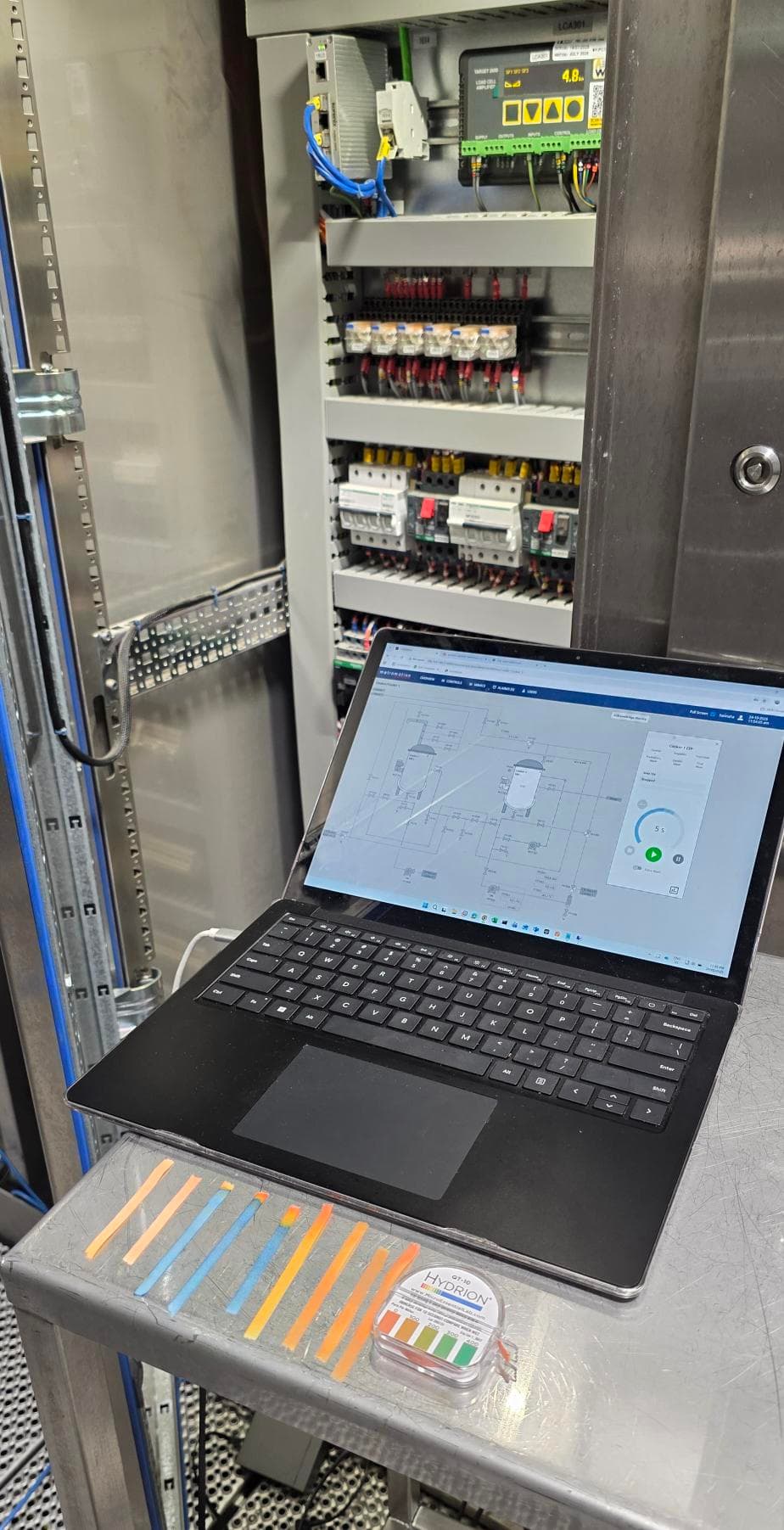
FAT and SAT plans are developed with objective test steps, pass criteria, evidence capture and defect management processes. FAT usually covers I/O simulation, sequence verification, alarm checks, fail-safe behaviour and operator workflows before equipment leaves the workshop. SAT confirms installed performance, field wiring integrity, process interactions and operational readiness on site. Structured punch lists with ownership and due dates keep issues visible and closed in a controlled way. On multi-contractor projects where responsibilities can become unclear under schedule pressure, this discipline is what allows informed go-live decisions rather than assumptions.
Simulation shortens commissioning by exposing control and integration issues before energisation. Depending on project scope, we use software simulation, emulation of machine states or hardware-in-the-loop setups to test sequences and exception handling. Protocols such as EtherNet/IP, Profinet and OPC UA are validated in test environments to reduce onsite surprises. Realistic scenarios are exercised, including communication dropouts, instrument faults, utility interruptions and restart behaviour after trips. On a recent batching system project, simulation identified a deadlock in phase transitions that would have caused lost production during startup. Catching it early avoided high-cost onsite debugging. Simulation findings are integrated into FAT records so corrective actions are traceable and stakeholders can see readiness progress clearly.
Commissioning needs technical leadership and disciplined coordination. Our engineers manage workfront planning, permit interfaces, shift handovers, daily issue review and stakeholder communication through to stable operation. Readiness metrics such as open defects, test completion, training status and spare part availability are tracked so decisions are based on current facts. For upgrades, we prepare cutover windows, rollback plans and post-start support rosters to protect uptime. For greenfield projects, subsystem energisation and integrated trials are sequenced to reduce conflict between disciplines. Handover includes as-built records, backup sets, outstanding actions and support contacts.
Typically controls engineers, operations representatives, maintenance, project management and relevant vendors. Involving end users early improves test quality and reduces surprises during final startup.
Each defect is logged with severity, owner and target date. We track closure transparently, retest affected functions and confirm evidence before moving issues to complete status.
Yes. We regularly plan staged energisation and line-by-line commissioning so critical production areas can return to service while remaining scopes are completed safely.
Speak directly with an engineer about scope, timing and technical constraints.