Raw material intake and batching automation program
Automation of intake, storage and dosing workflows with lot validation, recipe enforcement and digital batch records integrated to plant reporting.
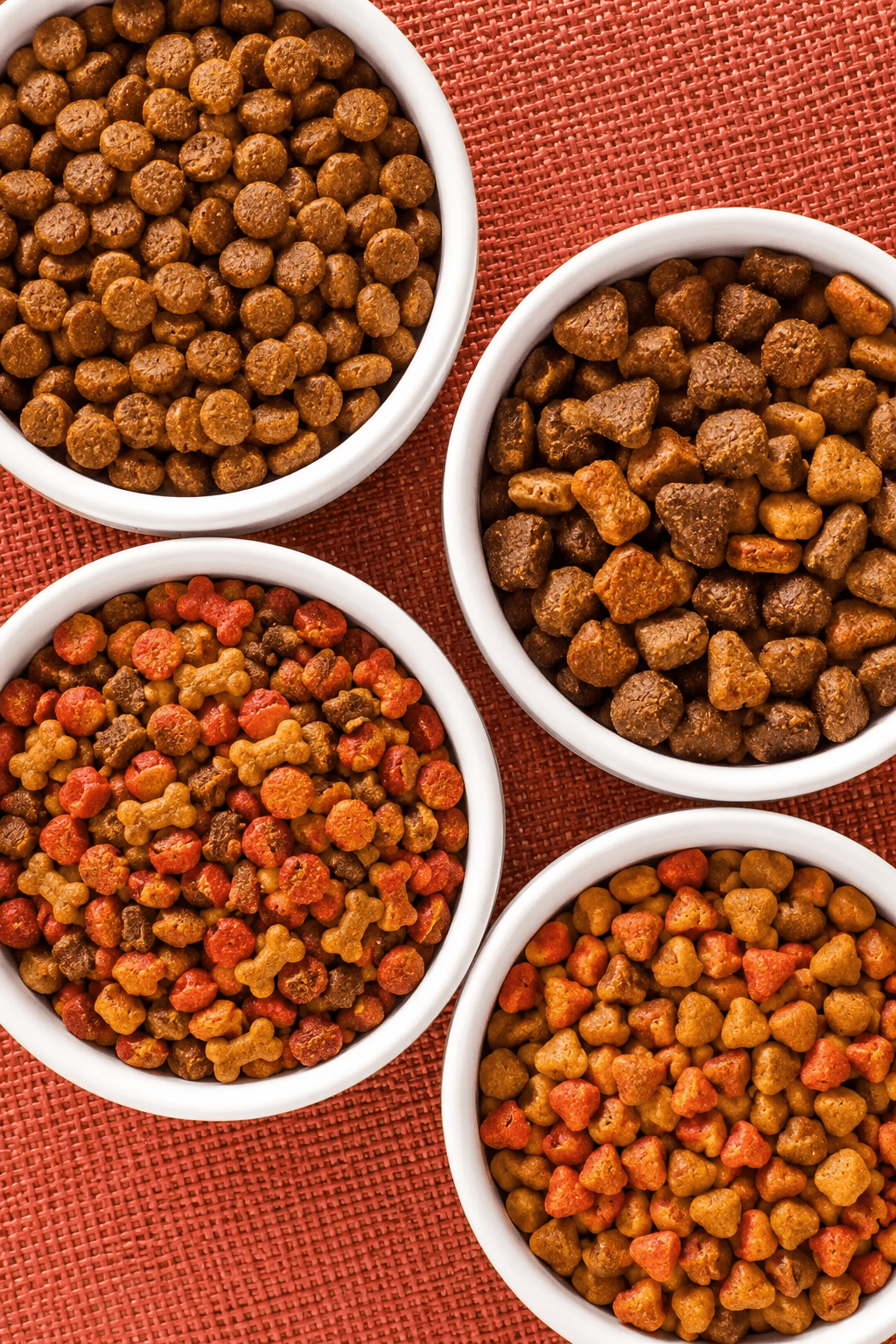
Pet food manufacturing automation experts in Melbourne for raw material handling, batching, extrusion, packaging integration and traceability.
Pet food manufacturers balance strict formulation control with high-throughput production and varied product formats. We deliver automation systems that protect recipe integrity while improving line availability and traceability.
Our work spans raw material intake, grinding, mixing, extrusion, drying, coating and packaging integration. We design for practical plant operation, from shift handover clarity through to maintainability and secure data flow.
We have engineered automation across Real Pet Food sites covering ingredient control, process consistency and dispatch readiness.
Protein meals, grains, oils and micronutrients have different handling needs and quality constraints. Sites need robust weighing, dosing and route validation to avoid formulation drift.
Process windows can shift with ingredient characteristics and upstream variation. Without coordinated control and feedback, product texture and nutritional targets can drift.
Process interruptions can destabilise packaging flow, while packaging stops can create upstream product handling issues. Integrated state management is needed to protect yield.
Pet food operations require rapid traceability for quality assurance and market response. Manual records are too slow for efficient containment and analysis.
We deploy raw material handling controls with validated routing, bin inventory visibility and weigh-scale integration to manage dosing accuracy. Ingredient identity checks and transfer confirmations are embedded into sequence logic to reduce operator error.
Batching and mixing strategies use parameter-governed phase control with alarmed tolerances and automated exception capture. For extrusion and thermal stages, we integrate key process measurements such as temperature, pressure and moisture indicators into trend-driven operational dashboards.
Our integration approach connects process assets with packaging lines through coordinated buffering logic, transfer permissives and state machines that support controlled recovery after disturbances. This reduces waste and minimises unstable restarts.
For traceability, we link ingredient receipt data, batch execution records, in-process quality checks and packaging identifiers within a common data architecture, so a recall investigation can resolve to ingredient lots in minutes rather than days.
Automation of intake, storage and dosing workflows with lot validation, recipe enforcement and digital batch records integrated to plant reporting.
Control strategy upgrade for extruder feed, thermal control and downstream handling with enhanced alarms, trend tools and startup sequence reliability.
Unified line-state model connecting dryers, coaters, conveyors and packaging equipment to reduce stop/start losses and improve throughput stability.
Data model and interface development linking ingredient lots to finished goods labels and pallet IDs for compliance and customer reporting requirements.
Pet food sites generally combine continuous and batch operations. We align platform selection to hygiene, throughput and reporting requirements while keeping support practical for maintenance teams.
PLC and visualisation: Rockwell, Siemens and Ignition-based supervisory systems.
Material handling controls: weigh systems, load cells, VFDs and pneumatic transfer instrumentation.
Protocol stack: EtherNet/IP, Profinet, Modbus TCP, OPC UA and secure remote support access.
Information systems: historian, SQL repositories and reporting integrations for quality and production teams.
We apply role-based recipe control, approved parameter ranges and change logging for every recipe revision. Operator workflows include confirmation checkpoints so formulation-critical settings cannot be altered without traceable authorisation.
In many cases, yes. We often improve performance through software refactoring, better signal conditioning, additional instrumentation and operator guidance while retaining suitable field hardware and minimising capital disruption.
With an integrated architecture, lot-to-pack trace investigations can typically be completed in minutes rather than hours. Actual performance depends on instrumentation quality and data discipline, which we address during design and commissioning.
Talk to an engineer who understands your industry. We'll give you a straight answer on scope, timeline, and what's involved.